

Many problems and crises arise because we have become alienated from our connection to nature, our ancestral lands, local cultures, and one another. Driven by this realization, the 2026 Makassar International Writers Festival (MIWF) has chosen the theme “re-coordinate”. This theme invites us to refresh how we navigate the map of life and to re-evaluate our position in an ever-changing world.
One of the programs in the MIWF 2026 lineup is “5×15 Lanskap Hidup” (Living Landscapes), a public talk program held in collaboration with WeSpeakUp.org. This program is designed as a gathering space for individuals from diverse backgrounds who are striving for change through various means and mediums.
In this space, we might just discover intersecting stories that spark meaningful connections—not only between humans, but also with nature and other living beings.
From May 14 to 17, 2026, each day five speakers share their stories in a one-way storytelling format, lasting 15 minutes each. Their stories cover, among other things:
- Their journey through activism
- What or who motivates and inspires them
- The initiatives they drive, books they have written, research they have conducted, landscapes they fight for, or communities they support
- The goals of their activism
- How the public can participate
This storytelling concept is adopted from the public narrative framework developed by Marshall Ganz, a senior lecturer at Harvard University specializing in leadership and social movement organizing. Through the “story of self” (personal calling), “story of us” (shared values and experiences), and “story of now” (strategy and action), speakers are expected to create an emotional connection and invite the audience to stand in solidarity.
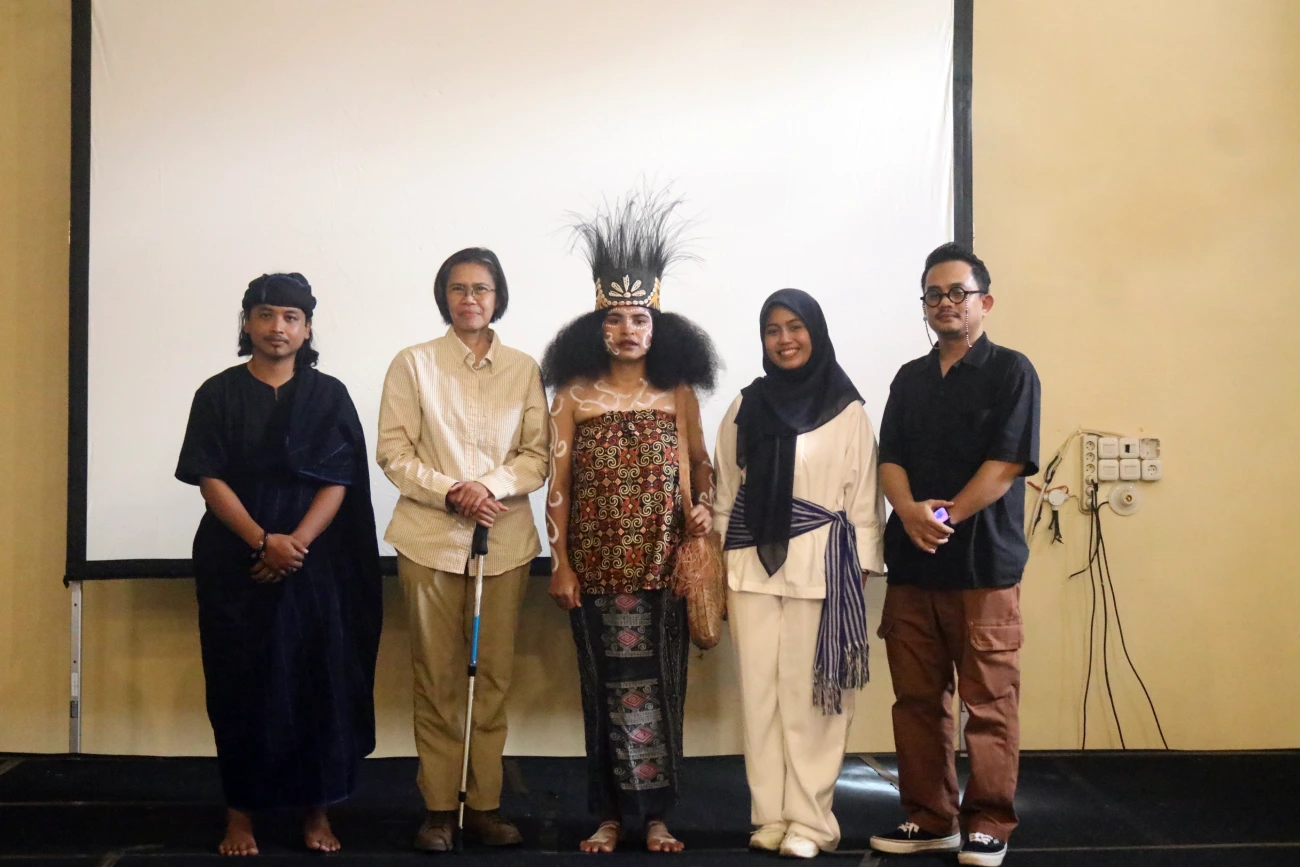
On the first day, 5×15 Lanskap Hidup took on the theme “Home and Belonging”. Amalia Muis, Premana W. Permadi, Arief Daeng Rate, Ibe S. Palogai, and Paulina unpacked and reflected on “home” as a geographical, cultural, and emotional space that is constantly negotiated, defended, and redefined.
The session also sparked reflections on how individuals and communities build critical awareness and a sense of belonging through memory and social relationships.
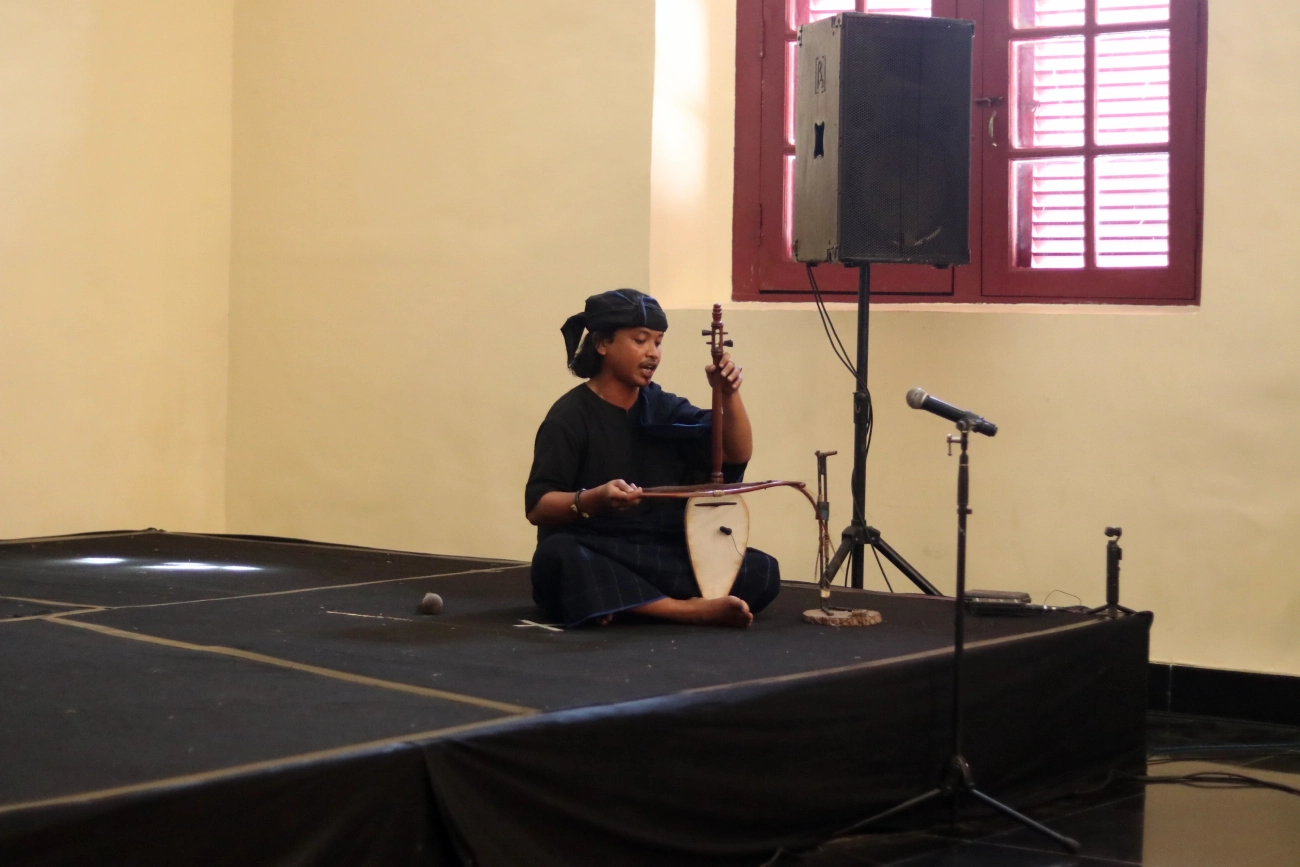
“I finally learned what life is like for those whose areas have been turned into mines. I also gained a new perspective about a nearly extinct musical instrument from Arief Daeng Rate.”
— Ismaniar, Day 1 attendee
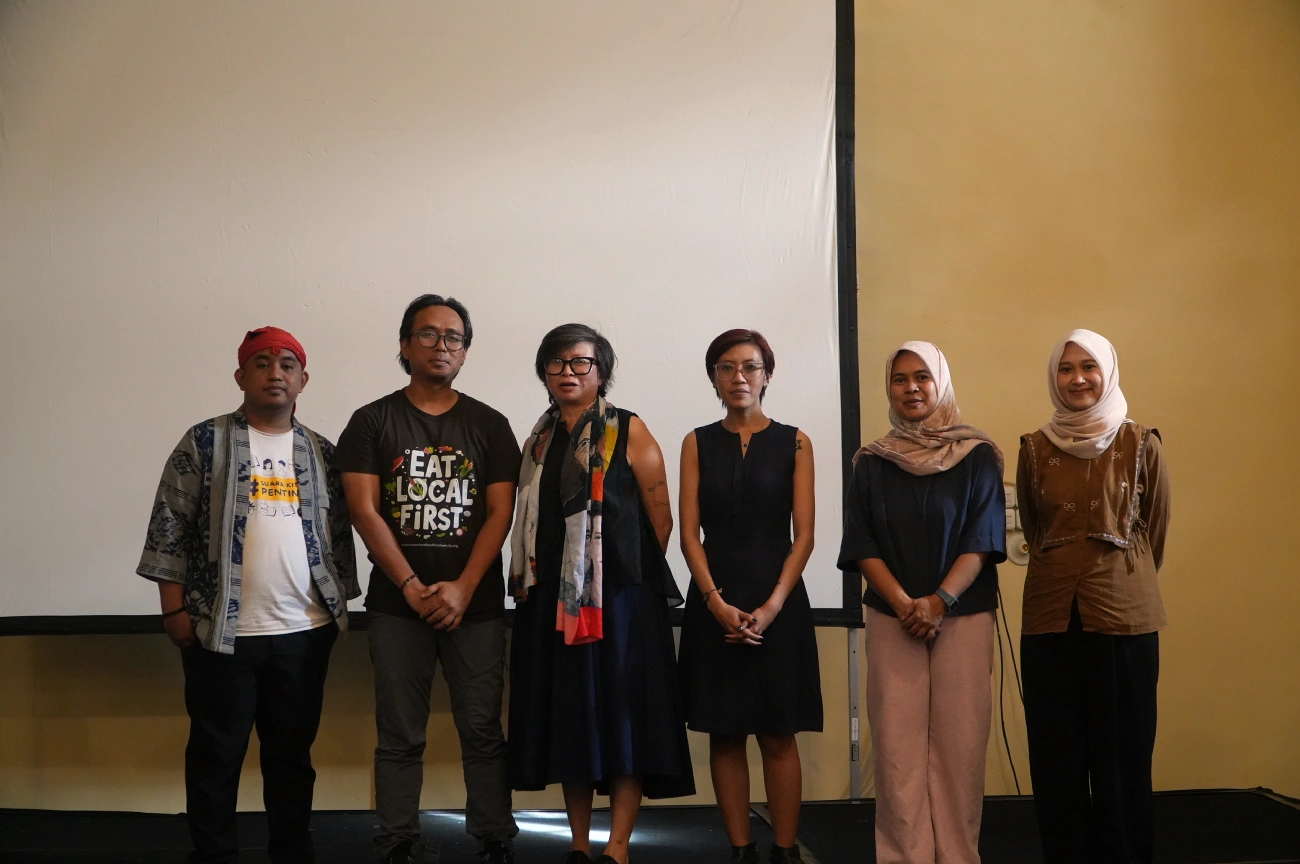
The second day of 5×15 Lanskap Hidup focused on “Who Feeds The World?” Ahmad Arif, Steven Yunius, Evi Mariani, Harnita Rahman, and Dhianita Kusuma Pertiwi discussed the acts of care that are often invisible and overlooked in an increasingly mechanical world.
In this session, the term “feeds” referred not only to the biological act of providing food, but also encompassed all forms of nurturing life and knowledge.
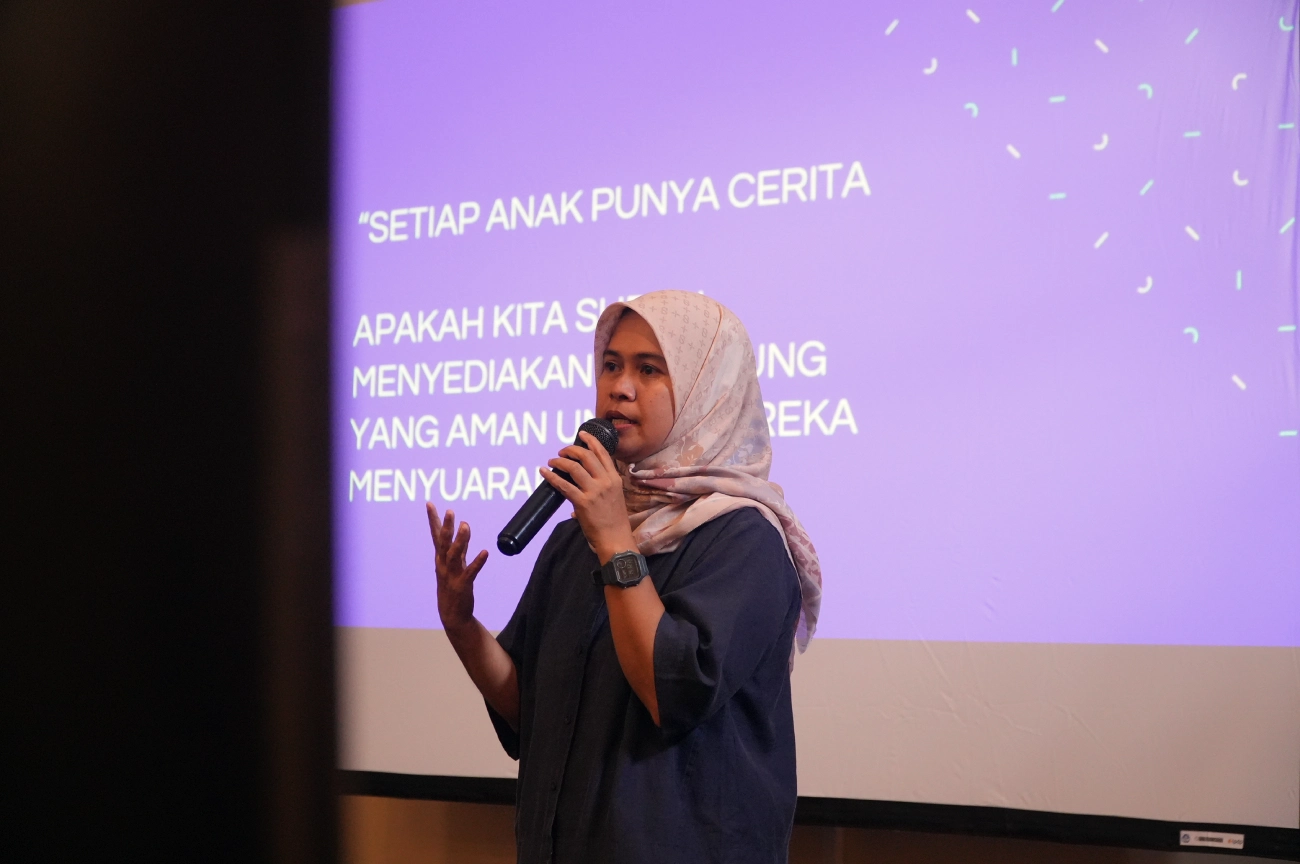
“The stories shared initially felt distant, yet they are actually so close; happening in my own region, to my students, my colleagues, my nieces, nephews, and relatives. It gave me new insights to reflect on, looking for solutions that can start with oneself.”
— Latifah, Day 2 attendee
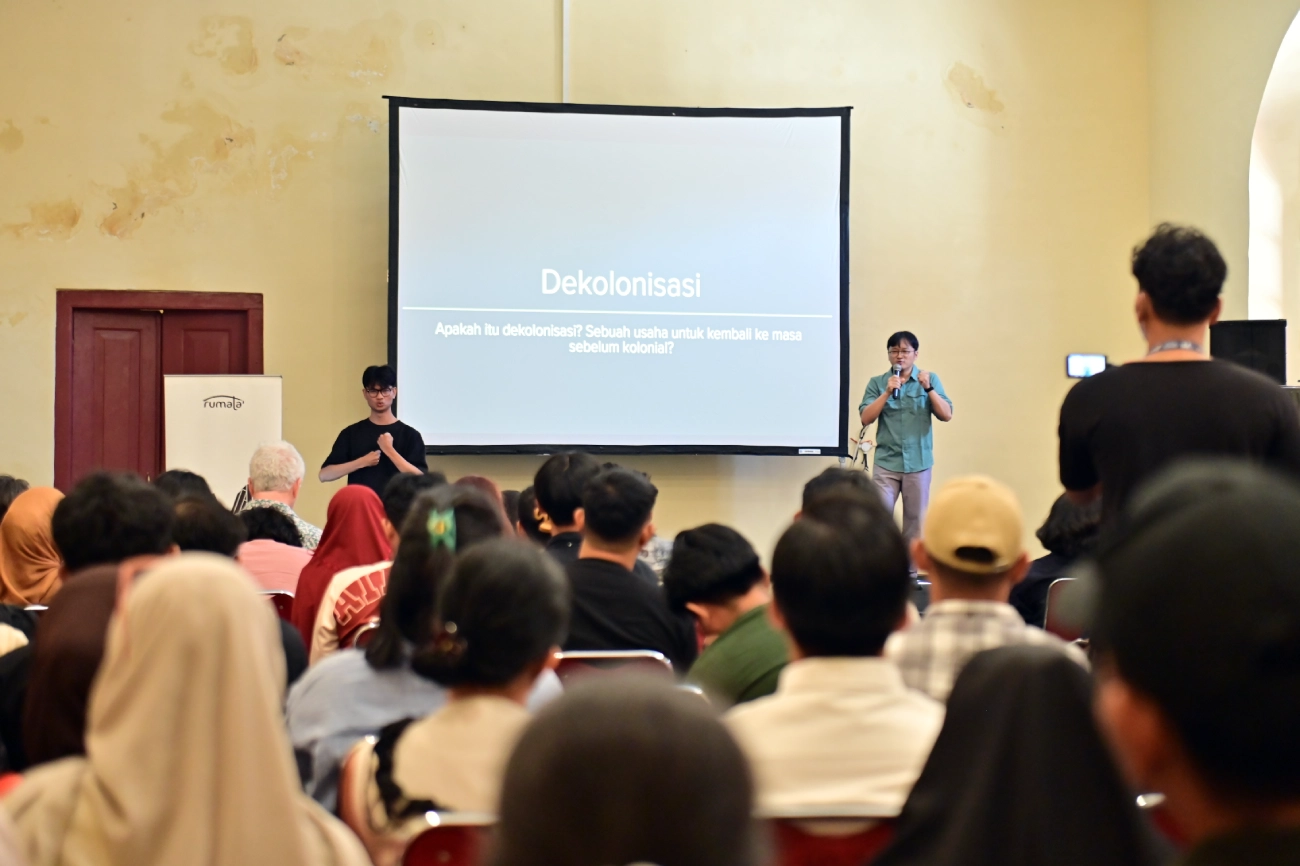
On the third day, 5×15 Lanskap Hidup presented the theme “Learning and Liberation”. Geger Riyanto, Anjar Masiga, Annisa Beta, Lynette Russell, and Nurhady Sirimorok celebrated the diversity of knowledge in the face of “modern” knowledge dominance. They emphasized that the process of liberation begins with the courage to create space for knowledge narratives that were previously marginalized.
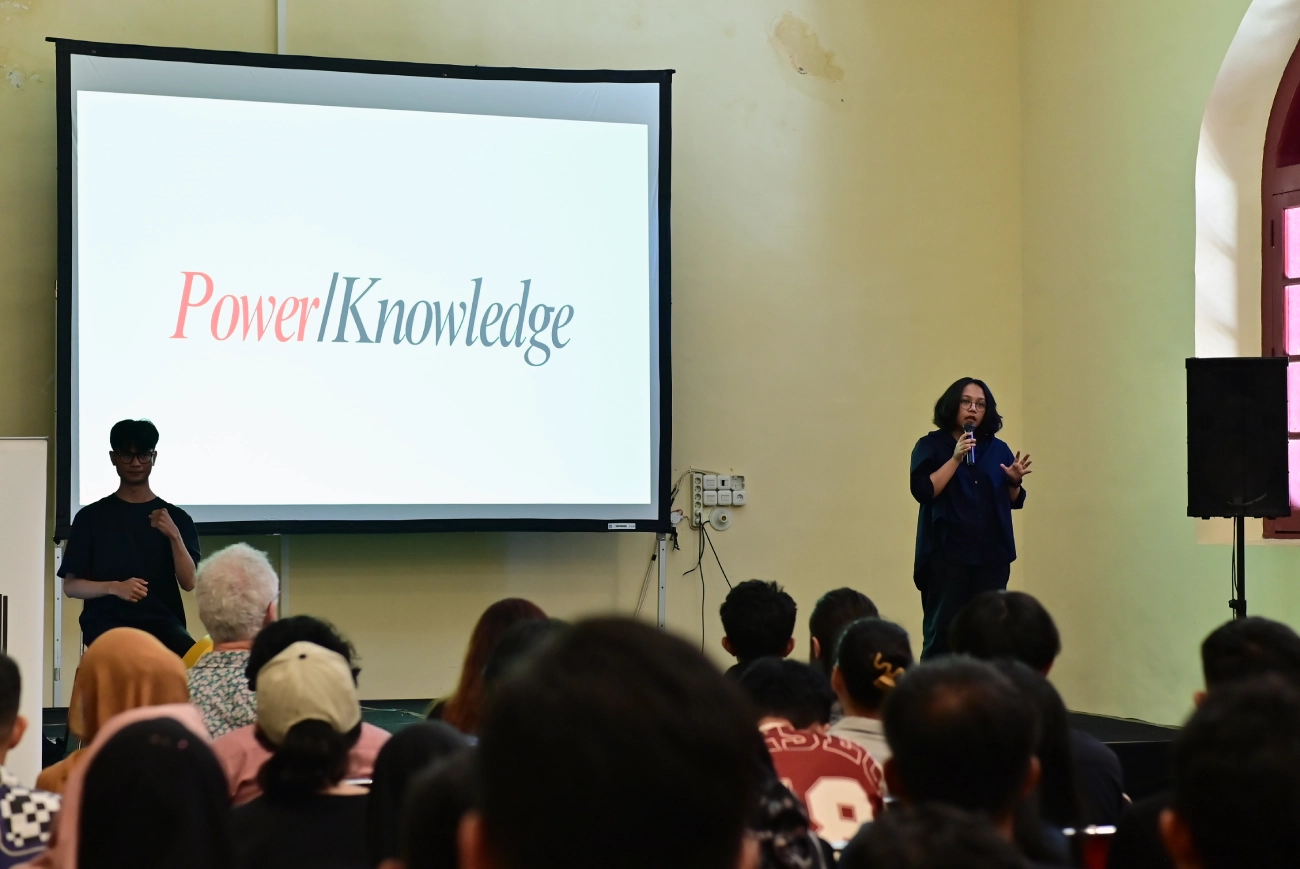
“Knowledge that has existed since ancient times has been displaced by new principles due to colonialism. So, this changed my perspective on how knowledge is formed and how it should be applied. No single form of knowledge is superior to another. Everything must be equal.”
— Mato, Day 3 attendee
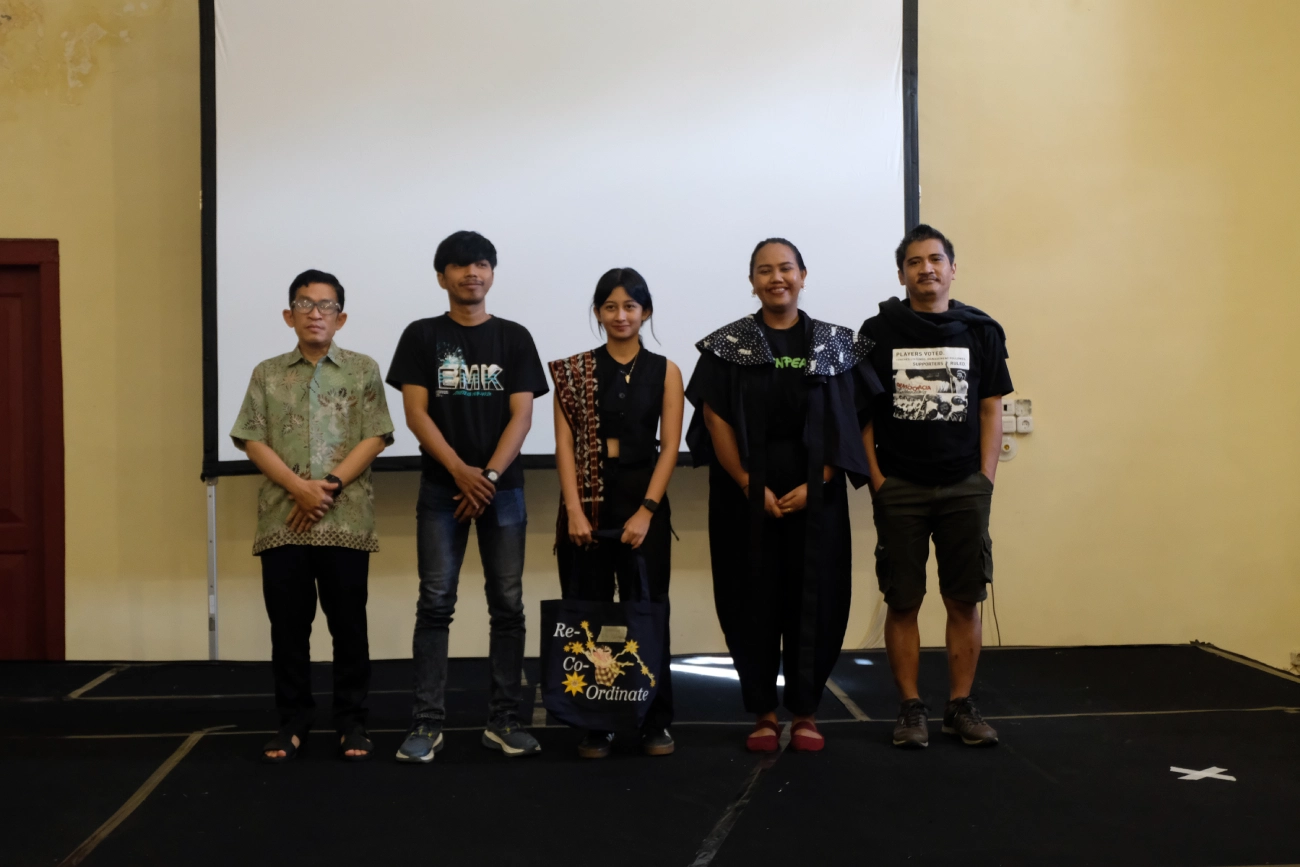
On the final day, 5×15 Lanskap Hidup featured the theme “Voices from The Frontline”. Sekar Banjaran Aji, Zen RS, Fahruddin Faiz, Fitrah Ramadhan, and Umanitya Fitri Hanryana shared the process of supporting and documenting the voices of communities on the frontlines. The focus was on how to amplify frontline voices more clearly, without losing the underlying human context.
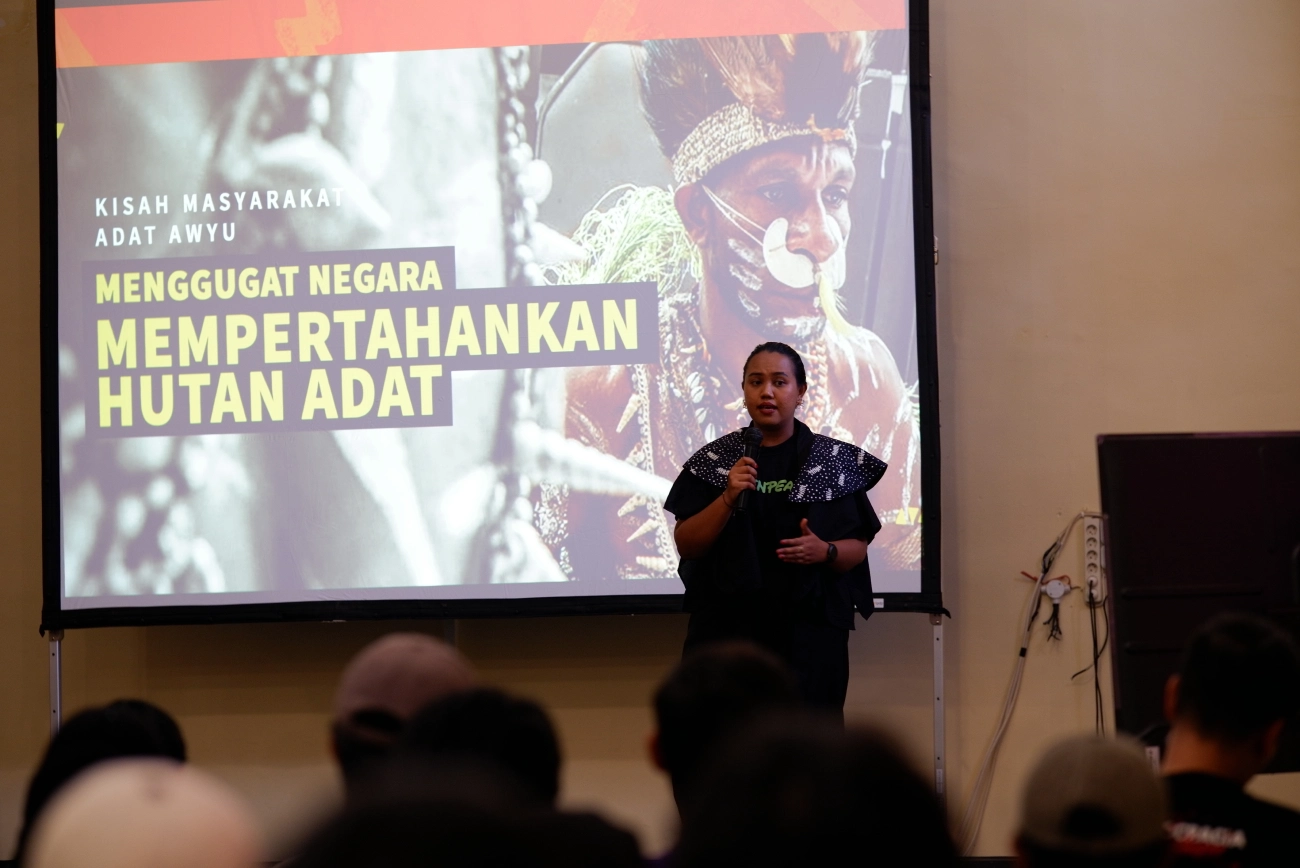
“Kak Sekar opened her session talking about loss, and coincidently, I have experienced loss too. But it made me reinterpret what loss means; that it isn’t just about losing people, but also our identity, our land, our culture, and our language. And we should be able to prevent that loss from happening.”
— Amelia, Day 4 attendee
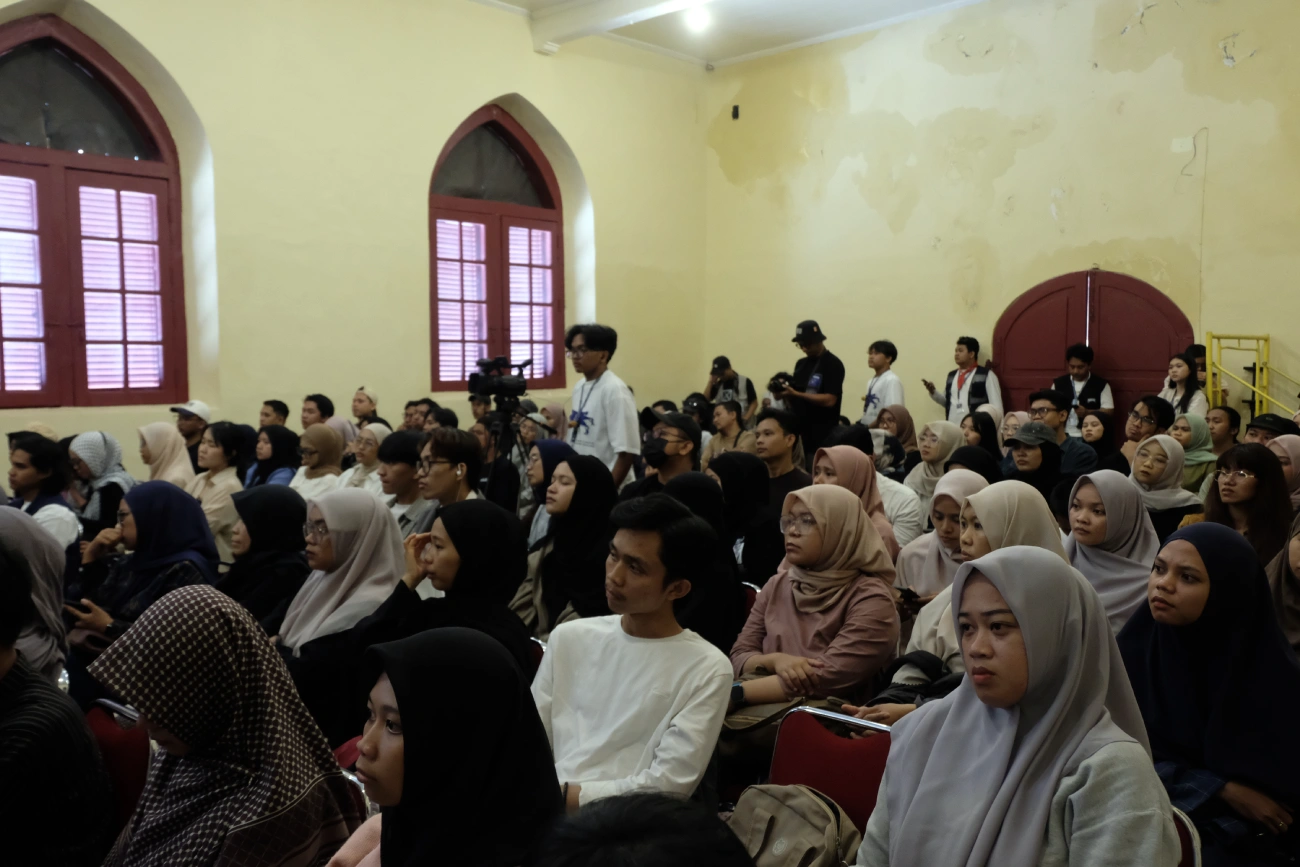
Thank you for the presence and enthusiasm of over 300 participants in 5×15 Lanskap Hidup. See you at the next event!
Author:
Frida Kurniawati
Campaign Coordinator, WeSpeakUp.org